Climatize
Understanding the Risks of Renewable Energy Investments
6 min read
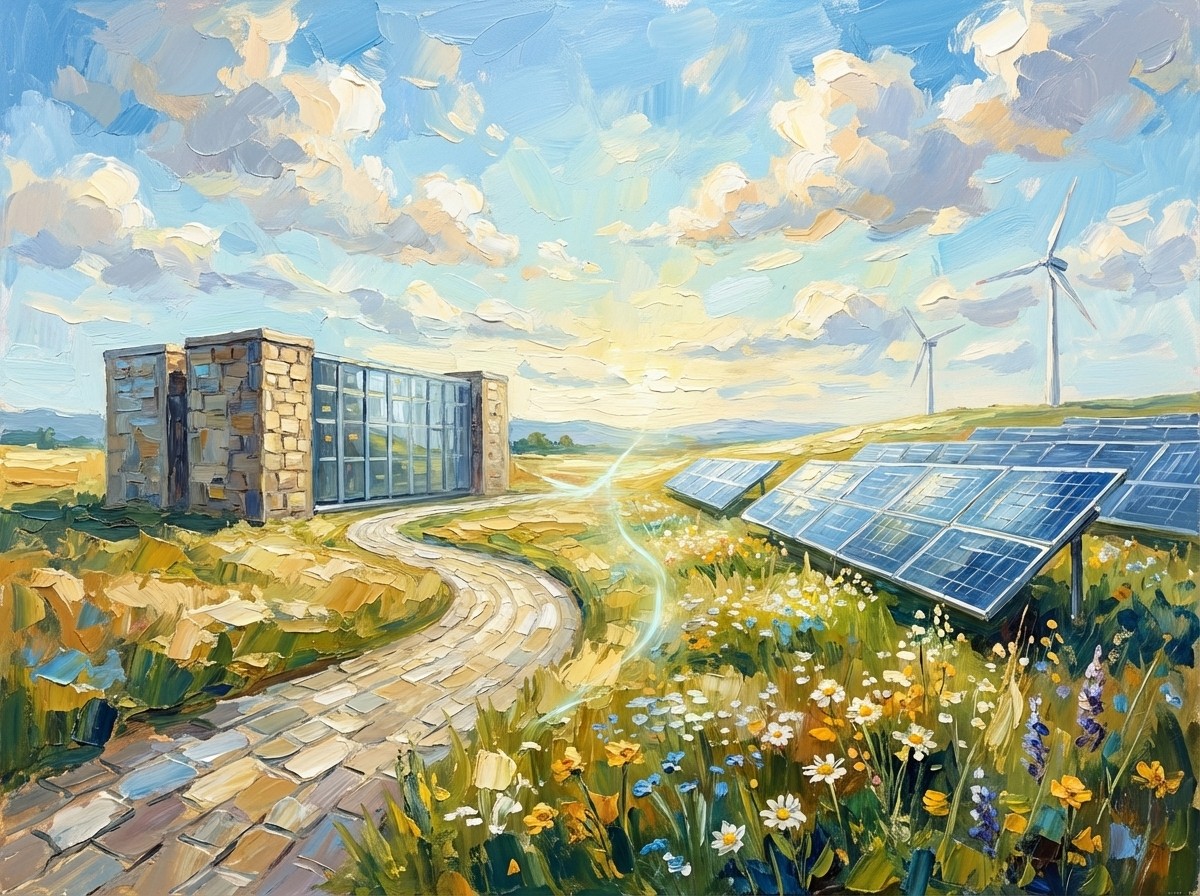
Renewable energy projects can offer investors a way to support the transition to cleaner energy while participating in the financing of real-world infrastructure.
But like any investment, renewable energy projects come with risks.
Construction delays, equipment issues, policy changes, market conditions, and limited liquidity can all affect project outcomes and investor returns.
At Climatize, we believe informed investors make better decisions. This guide explains some of the most common risks associated with renewable energy investments in clear, practical language.
Why Understanding Risk Matters
When people hear about clean energy projects, they may focus only on the mission:
More solar energy
More EV charging
Lower emissions
More resilient communities
Those outcomes matter. But investments are still investments.
Projects can face delays. Equipment can underperform. Policies can change. Markets can shift. And investors can lose money, including their full investment.
Understanding these realities helps people evaluate opportunities more clearly and responsibly.
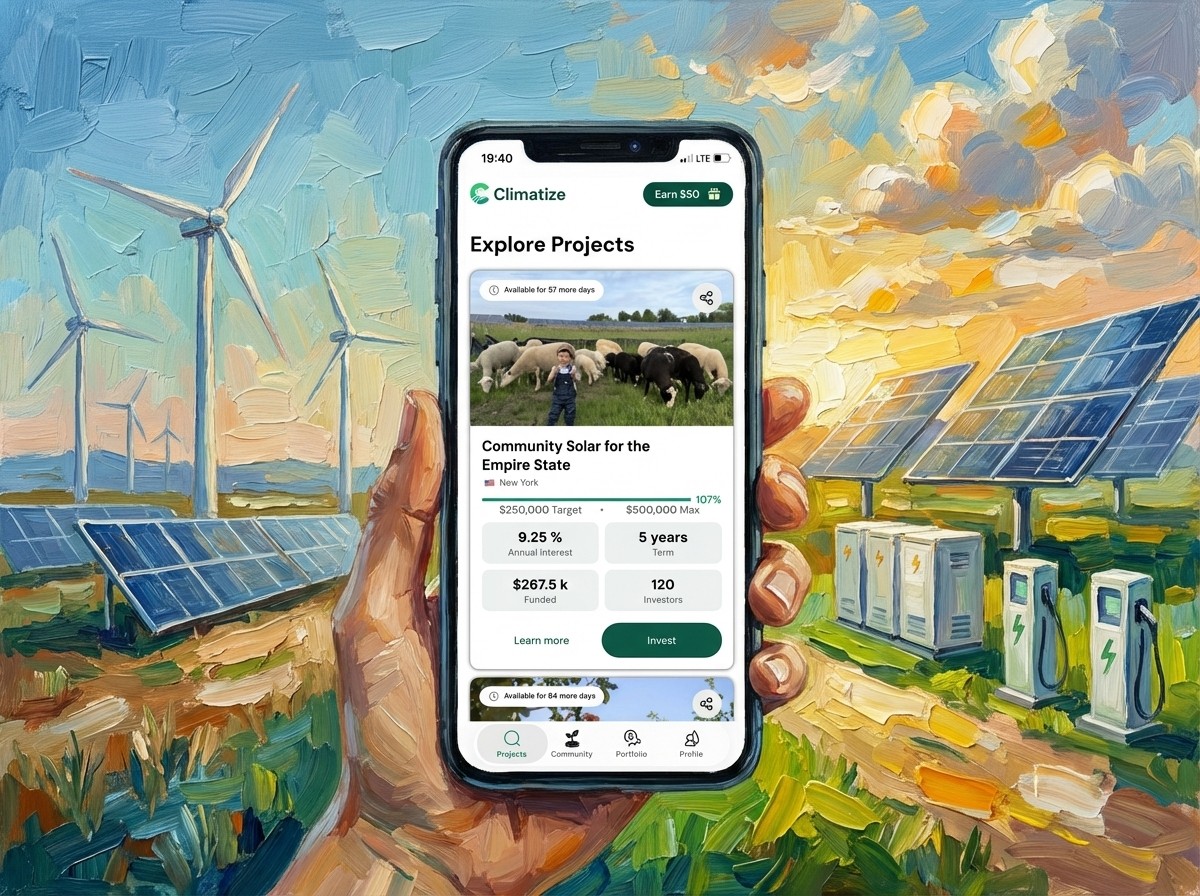
1. Construction Delays Can Impact Timelines
Many renewable energy projects take months or years to complete.
That means there are many moving parts:
Permits
Utility approvals
Equipment delivery
Contractors
Grid connections
Financing timelines
Sometimes projects move exactly as planned. Sometimes they do not.
Construction delays are one of the most common challenges in infrastructure development. A project may take longer to become operational, which can delay revenue generation and investor distributions.
For example:
A solar project may wait longer for utility approval
EV charging equipment may arrive late due to supply chain issues
Weather conditions may slow construction work
This does not automatically mean a project will fail. But delays can affect timing and projected returns.
2. Technology Does Not Always Perform Exactly as Expected
Renewable energy projects rely on physical equipment:
Solar panels
Inverters
Batteries
EV charging hardware
Wind turbines
Like all infrastructure, equipment performance can vary over time.
Solar panels naturally produce slightly less energy each year as they age. Batteries lose storage capacity gradually. Charging stations may require maintenance or repairs.
Technology is improving quickly, but no system is perfect.
That is why project developers often include:
Equipment warranties
Maintenance plans
Performance monitoring systems
Investors should still understand that projected performance and real-world performance are not always identical.
3. Energy Markets Can Change
Renewable energy projects operate within larger energy markets.
That means factors outside the project itself can influence outcomes, including:
Electricity prices
Interest rates
Inflation
Supply chain costs
Financing conditions
For example:
Rising interest rates can increase borrowing costs
Equipment prices can rise unexpectedly
Changes in energy demand can affect pricing
Some projects have long-term agreements that create more predictable revenue. Others are more exposed to market fluctuations.
Economic conditions matter, even in clean energy.
4. Government Policies Play a Big Role
Public policy has helped accelerate renewable energy growth across the United States.
Programs like:
Solar tax credits
EV charging incentives
Clean energy grants
Renewable energy standards
have helped many projects move forward.
But policies can evolve over time.
Incentives may change. Regulations may shift. New administrations may prioritize different energy strategies.
Because of this, renewable energy projects can face regulatory and policy risk.
Investors should understand whether a project depends heavily on:
Tax incentives
State programs
Utility programs
Carbon credit markets
Policy support can strengthen a project, but future changes can also affect financial performance.
5. Weather and Environmental Events Matter
Renewable energy projects depend on environmental conditions.
Solar projects need sunlight.
Wind projects need wind.
Infrastructure projects must withstand weather conditions.
Extreme weather events can affect operations, including:
Hurricanes
Wildfires
Flooding
Hailstorms
Heat waves
For example:
A hurricane may damage equipment
Wildfire risk may increase insurance costs
Cloudier-than-expected conditions may reduce solar production temporarily
Insurance can help reduce some of these risks, but environmental events can still impact timelines and performance.
6. Renewable Energy Investments Are Often Illiquid
One of the most important things investors should understand is liquidity.
Many renewable energy investments, especially private market or crowdfunding offerings, are long-term investments.
That means:
Investors may not be able to sell quickly
There may not be an active resale market
Capital may remain invested for years
Unlike publicly traded stocks, these investments are not always easy to exit early.
People should only invest money they are comfortable setting aside for an extended period.
7. Every Project Has a Different Risk Profile
Not all renewable energy projects carry the same level of risk.
For example:
Certain projects may have lower construction risk
Others may carry higher uncertainty
Some contracts may have more predictable cash flow
A project relying on future approvals may carry additional risk
That is why reviewing project details carefully matters.
Key things investors often evaluate include:
Project stage
Developer experience
Revenue structure
Equipment providers
Timeline assumptions
Regulatory environment
No single factor determines success or failure, and this list is not exhaustive. Renewable energy investing requires looking at the full picture.
The Bigger Picture
Renewable energy infrastructure is helping reshape how communities generate and use energy.
Across the country, offerings are funding:
Solar energy systems
EV charging stations
Battery storage
Energy efficiency upgrades
These projects can create environmental and economic impact. But they also involve real financial risk.
Understanding those risks is part of making responsible investment decisions.
Final Thoughts
Renewable energy investing can offer exposure to the transition toward cleaner infrastructure, but every investment decision should be approached carefully.
Before investing, people should:
Review project materials closely
Understand the risks involved
Consider their financial goals
Evaluate their tolerance for risk and illiquidity
Discuss their options with a financial professional
To learn more about how Climatize works, visit:
Leave a comment
Climatize announces their $1.75M funding round.

For Developers